
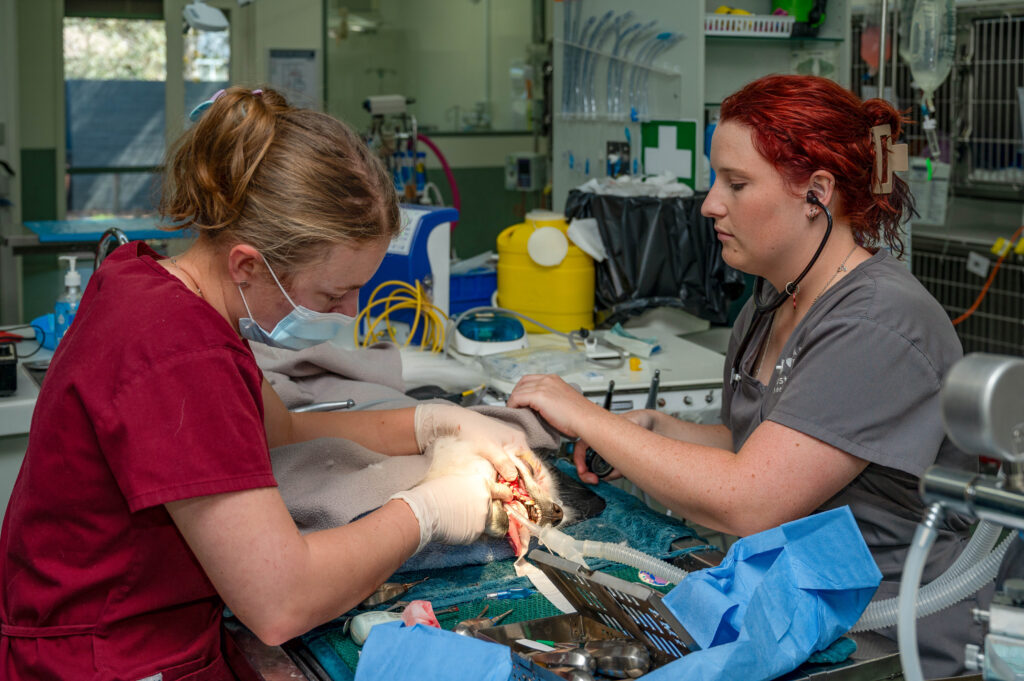
Dental disease is one of the most common health issues in pets. While home care helps, many owners don’t notice problems until signs like bad breath or discomfort appear—our vets however are skilled at examining teeth and can detect problems early during routine check ups.
What’s Involved in a Professional Dental Cleaning?
Anaesthesia is essential for a safe, thorough cleaning. Pets can’t tolerate the noise or sensation of dental tools when awake. Anaesthesia ensures a stress-free procedure and allows a thorough examination and clean.
Pre-Anaesthetic Safety
To minimise risk, especially in older pets, we recommend a Pre-Anaesthetic Blood Profile to check organ function. IV fluids are also given to support circulation and reduce anaesthetic risk.
Before Dental Fasting:
Under anaesthesia, your pet receives a full oral exam and, if needed, dental X-rays to check for disease below the gumline. The procedure includes:
For extractions:
Most pets go home 2–3 hours after the procedure. You’ll receive a personalised Dental Care Plan, which may include:
If extractions were done, a 7-day post-op check ensures proper healing before starting at-home care.
We recommend check-ups every 6 months to monitor oral health and update care plans.
Untreated dental disease can cause pain, infection, tooth loss, and affect organs like the heart and kidneys. Routine dental care is vital to your pet’s health.